Committing to posterity a time when time stood still

 Duong Lam Village is a living daily life museum with a lifestyle that has remained virtually unchanged for centuries. A bewitched Hanoian captures its images for posterity.

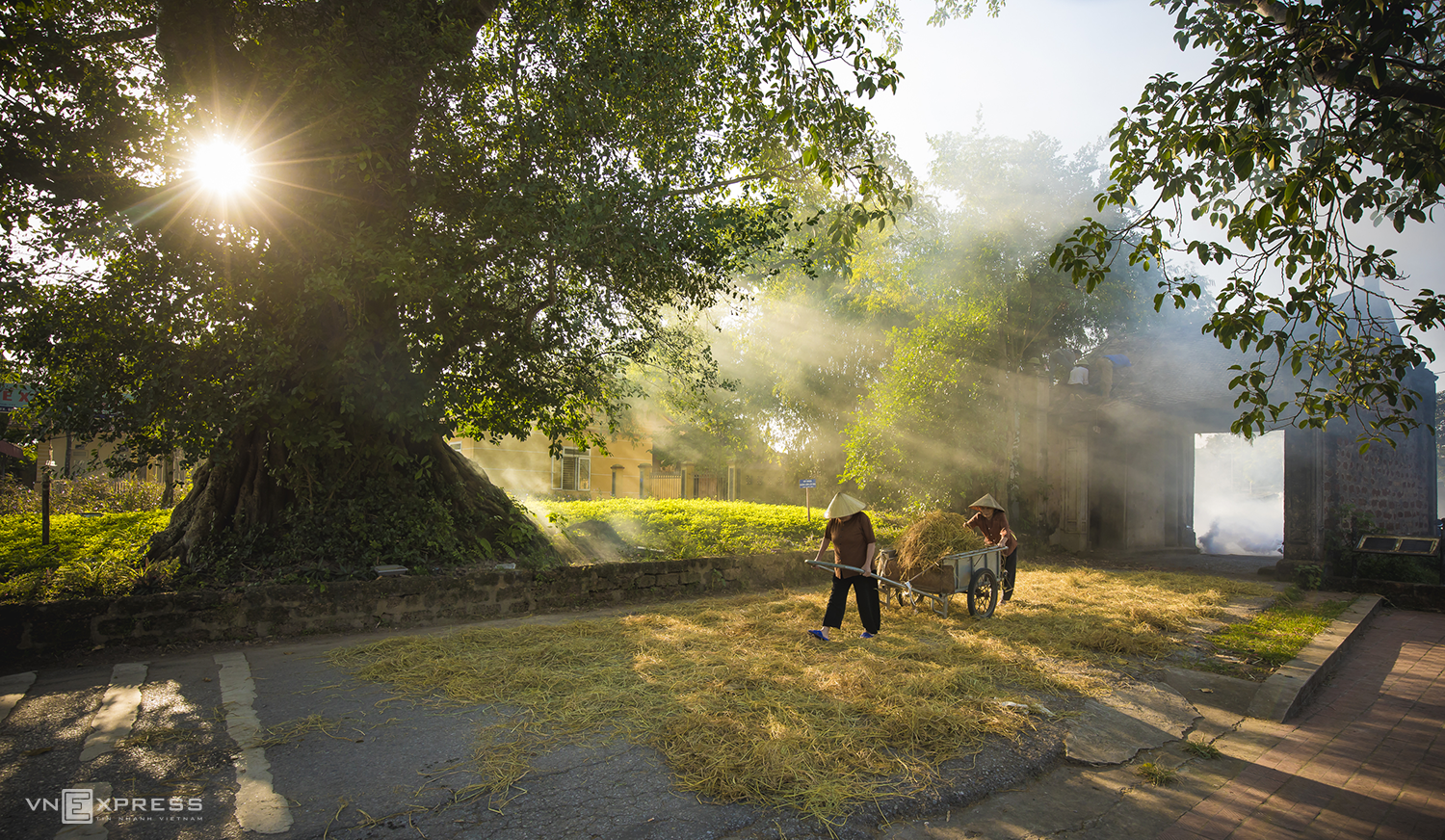
Two women dressed in traditional peasant attire walk through the village gate.

Tran Quoc Trung said he was motivated to make this collection by fear that Duong Lam Village would become a victim of modern urbanization in the near future.

The village, about 45 kilometers west of downtown Hanoi, still preserves many of its historical and cultural features. It boasts 956 ancient houses, including those built in 1649, 1703 and around 1850.

Though there are many entrances to the village, the Mong Phu Gate remains a popular starting point for tourists. This is reportedly the only ancient village gate left intact in northern Vietnam.

The Mong Phu communal house is the heart of the village and village life. Legend has it that it was built on the forehead of a dragon in 1684 under the reign of King Le Hien Tong in the shape of a capital "I." The stately building hosts public events, festivities and meetings.

Amongst tens of thousands of Vietnamese villages, Duong Lam is the first to be recognized as a national architectural heritage site.

An elderly woman tosses rice on a flat bamboo basket to remove tailings from rice grains.

In Duong Lam, most young people have moved to big cities and industrial hubs to earn their living, while the older villagers stay at home and live mainly on rice cultivation.

Old women in the village still preserve the long-standing custom of chewing betel with areca nuts.

In Vietnam, the custom of offering betel and areca is said to date back to the reign of the Hung Kings. It is associated with the “Legend of Betel and Areca” about a wife's fidelity to her husband and the love between two twin brothers; therefore, the custom symbolizes love, brotherhood, family, and happiness.

Younger Vietnamese no longer chew betel and it is a habit dying out.

An elderly couple prepare to make soy sauce, a skill that has been passed through generations.

In the past every household in the village used to make and store jars of soy sauce to use all year round. Today they also sell the condiment to outsiders.

It is made with glutinous rice, salt, soybean and water. The villagers say the sauce is especially delicious if made with rainwater.

The villagers always make their soy sauce in May and June thanks to favorable weather conditions.

Women or men stirring huge earthen cauldrons containing tuong are a common sight. Tuong is a popular dipping sauce in northern Vietnamese countryside and is also used as a condiment for cooking.

Villagers are at their busiest during the rice harvest season.


6 camping destinations near Hanoi amid scenic nature

 With Hanoi allowing outdoor activities, here is a list of popular camping destinations amid green nature and with fresh air for a weekend getaway.

Ba Vi National Park

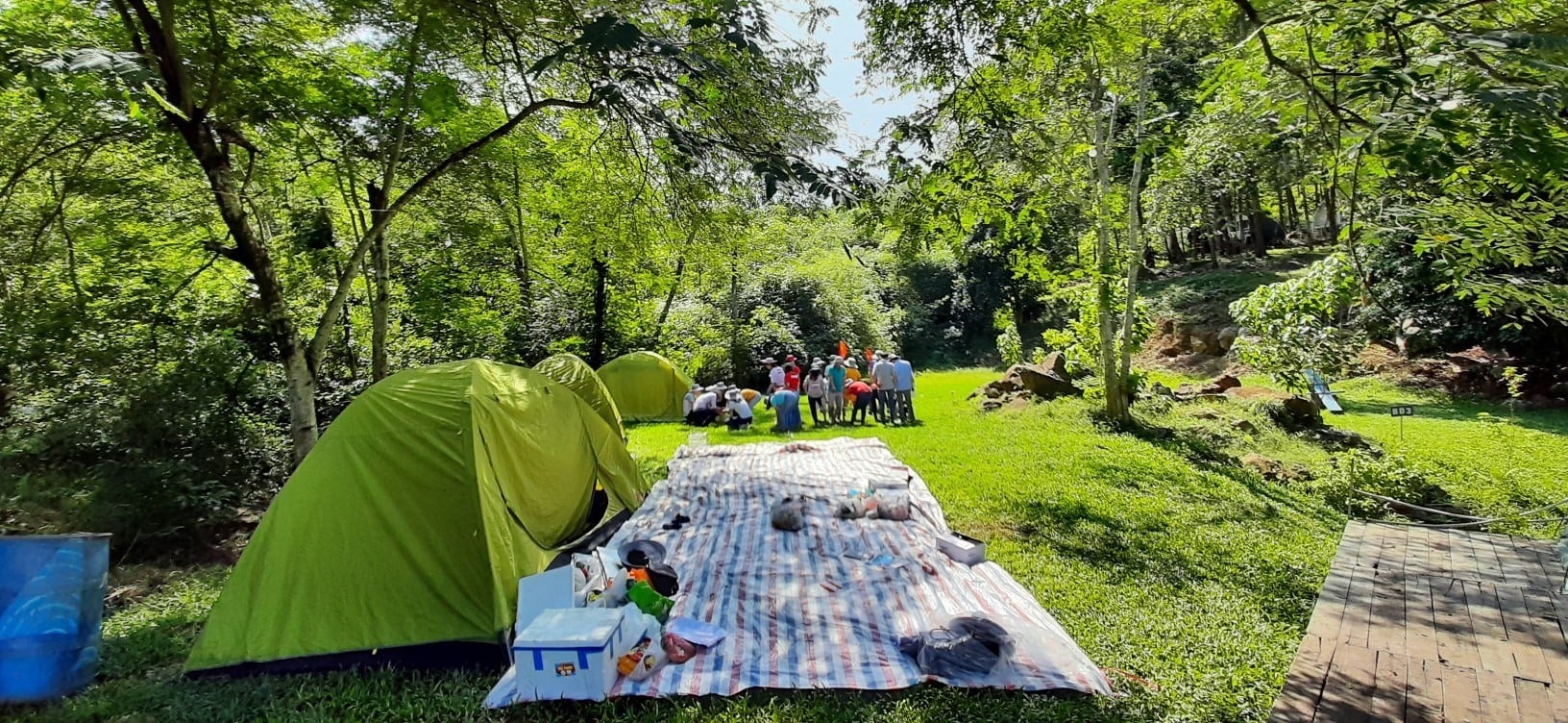
An hour and a half away from the capital, the 11,000-hectare Ba Vi National Park is a popular weekend destination that allows people to reconnect with nature. Located in the Ba Vi mountain range, the park has a rich and diverse range of tropical and subtropical flora and fauna, making it an ideal choice for camping.

Entry tickets to the park cost VND60,000 ($2.64) for adults and VND10,000 ($0.44) for children. Visitors can bring tents, barbecues, tables, and chairs or rent them at VND60,000-450,000.

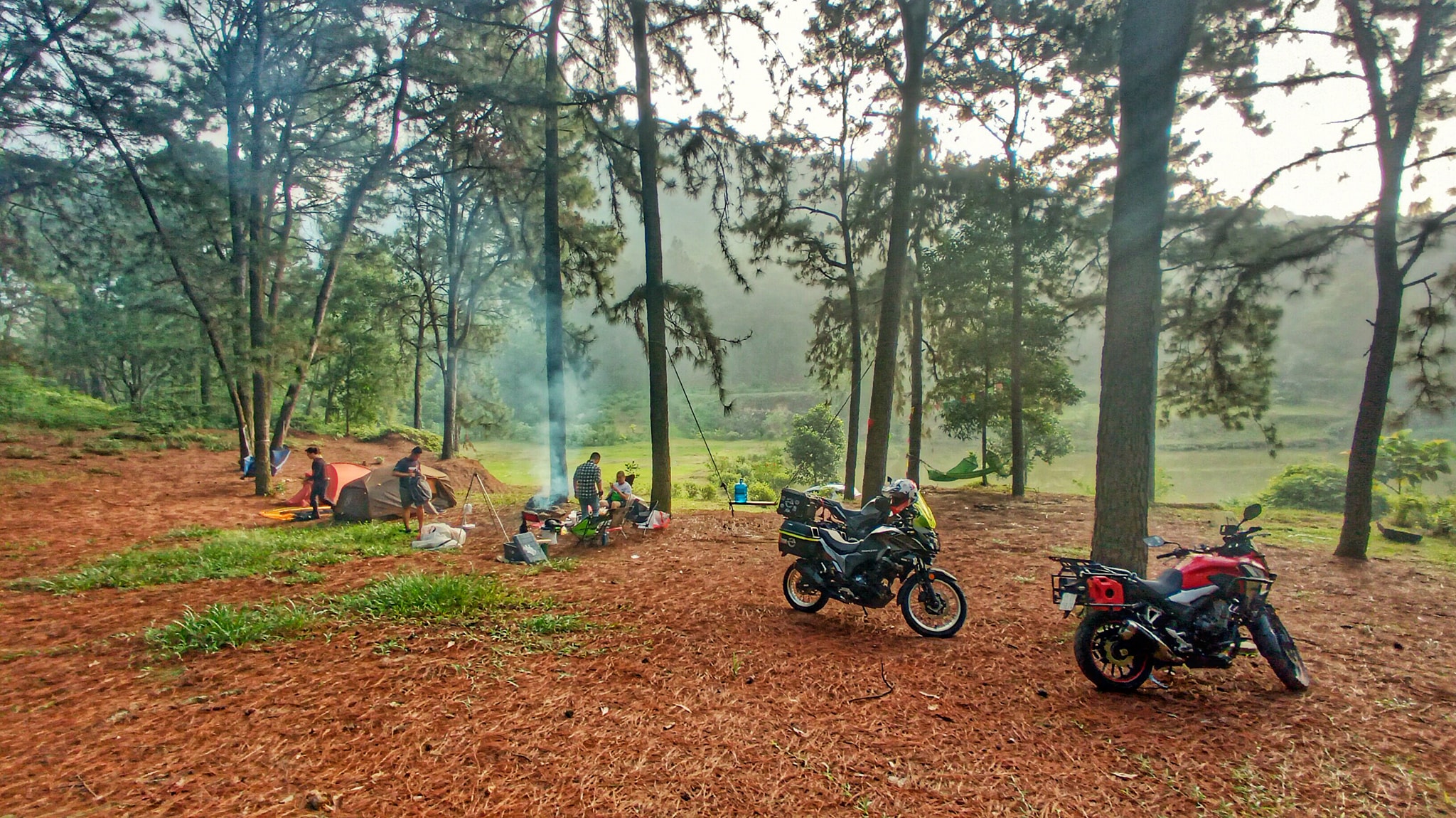
If visitors want to camp overnight in the park, they have to pay a fee of VND50,000 per adult. At night the temperature drops, and so it is advisable to carry sleeping bags, blankets and warm clothes.

There are some good areas for camping overnight such as the cactus garden and pine forest areas and Ngoc Hoa cave. The park management has increased night patrols, and so safety is not a concern.

Between mid-November and early December is an ideal time to go camping since wild yellow flowers bloom in Ba Vi.

Dong Mo Discovery

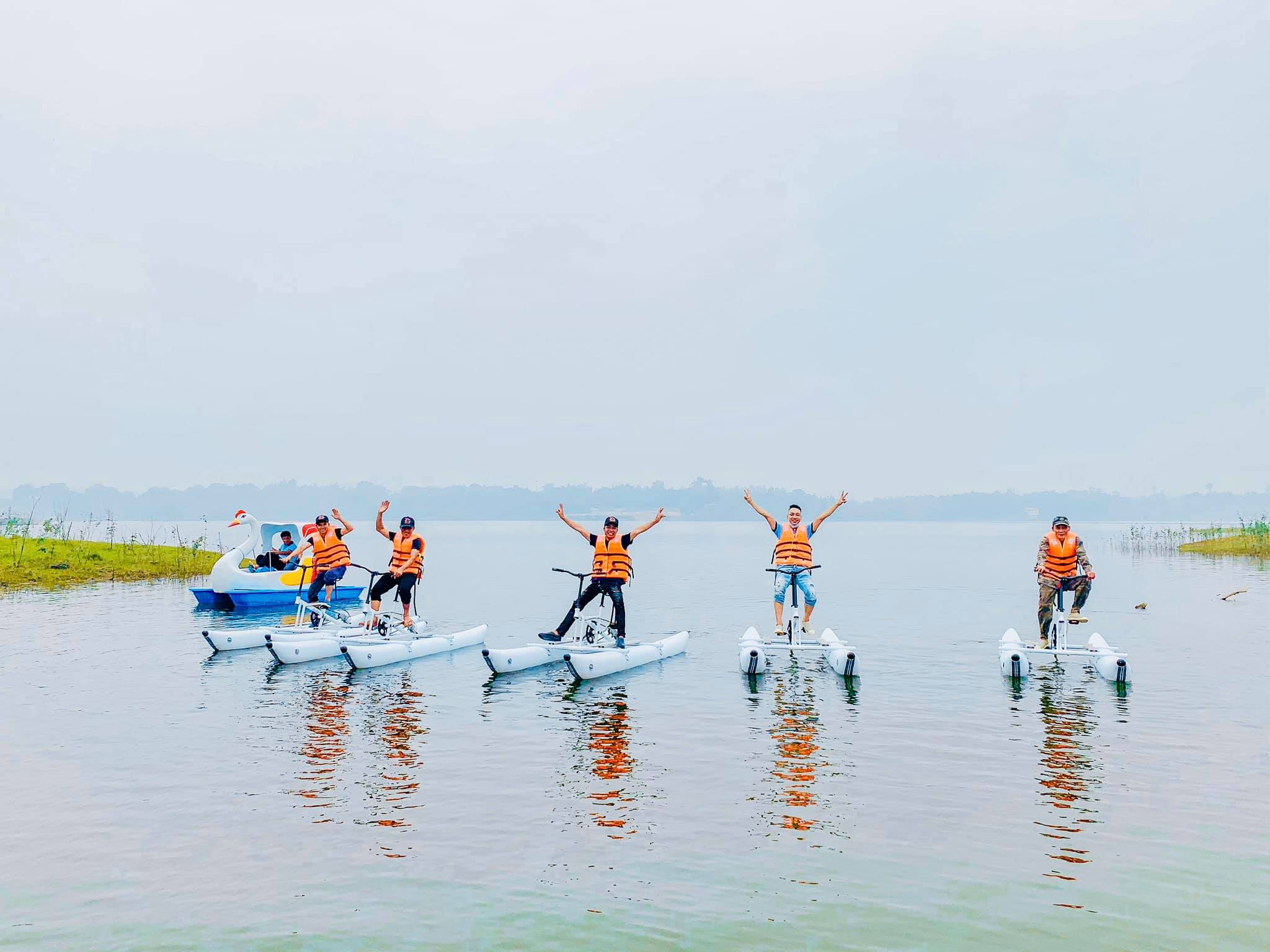
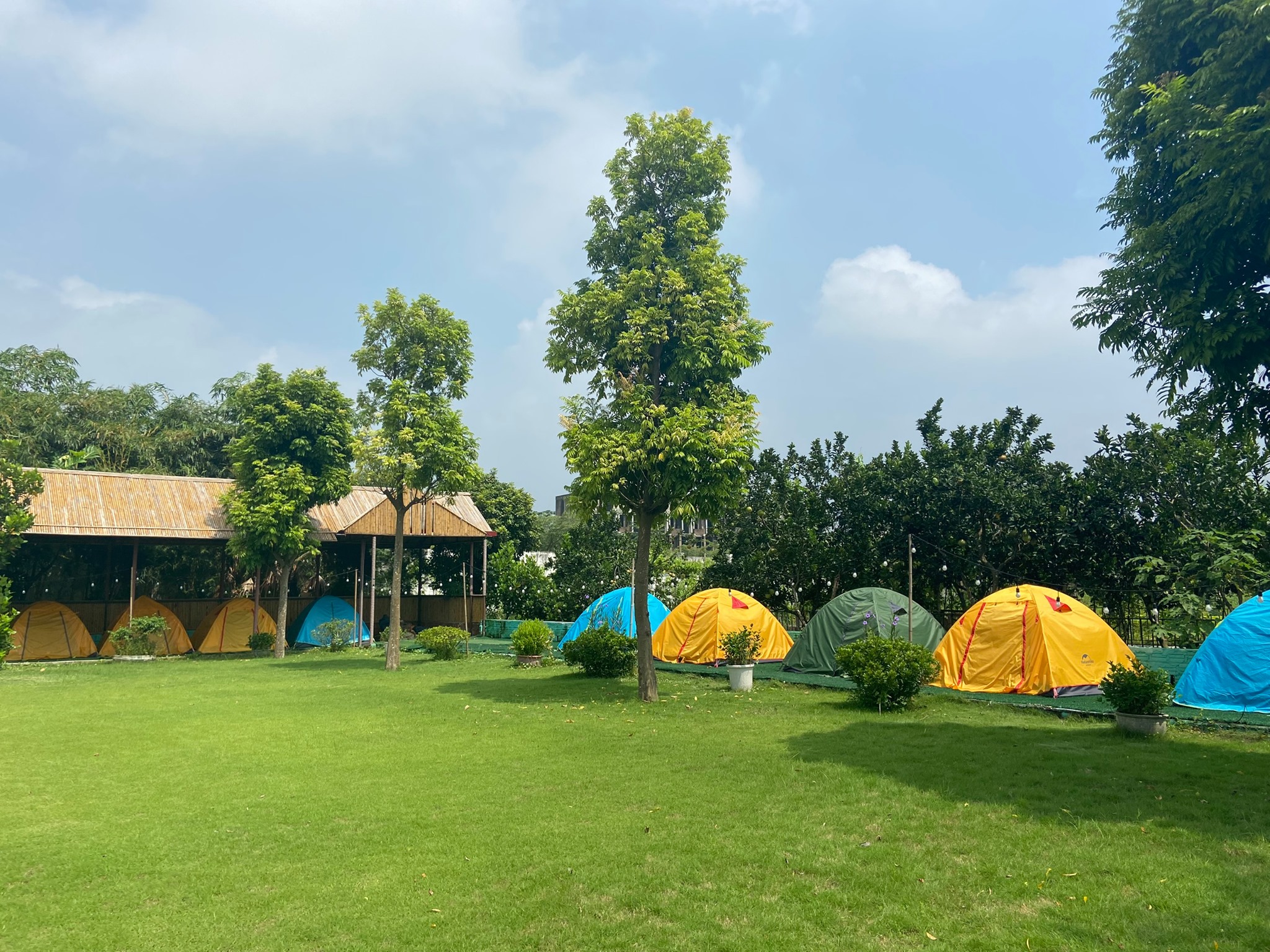
For families with children, Dong Mo Discovery inside the Vietnam Ethnic Culture and Tourism Village in Son Tay Commune, around one hour from Hanoi center, is an ideal choice. The camping spot is a longan garden next to Dong Mo Lake, which allows campers to try their hand at water sports.

The camping fee here is VND60,000 per adult and VND30,000 for children aged six to 10. Visitors can rent a full camping package including tables and chairs and tents at VND150,000 per adult and VND60,000 per child. Grills are available at VND100,000.


Water bicycles and swan boat rides cost VND50,000 per person.


Son Tinh Camp

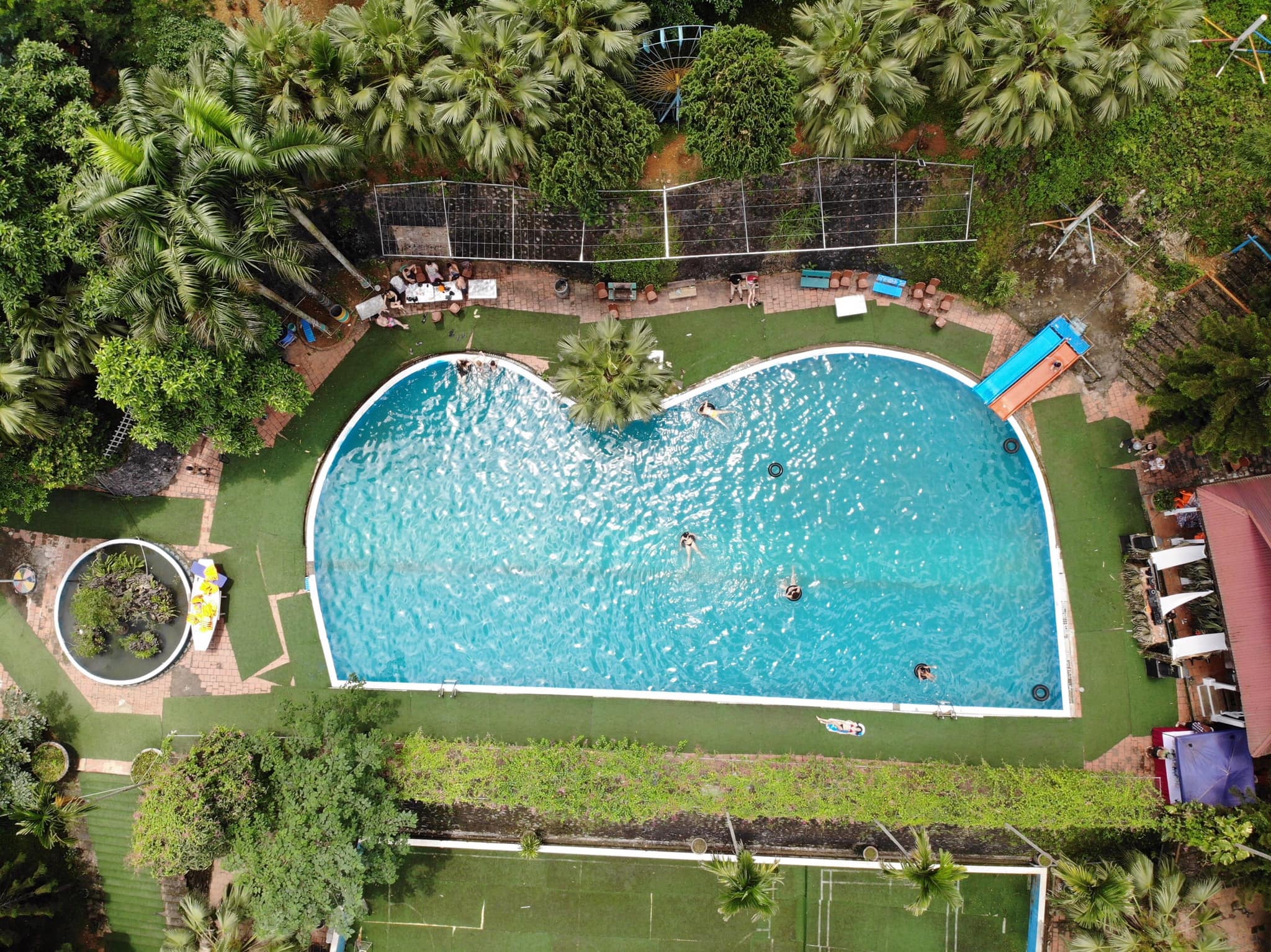
Son Tinh (Mountain Spirit) Camp in Van Hoa Commune in Ba Vi District spreads over an area of seven hectares, and has green forests, hills, a swimming pool, and outdoor sporting areas.

Renting a camping spot here costs VND60,000 per adult and VND30,000 for kids from three to 10. Camping overnight costs VND110,000 per adult and VND60,000 per child.


Visitors can rent camping tents for VND200,000-800,000 per night for two to 10 people.

There are also other choices such as a stilt house and conical-shaped houses starting at VND800,000.

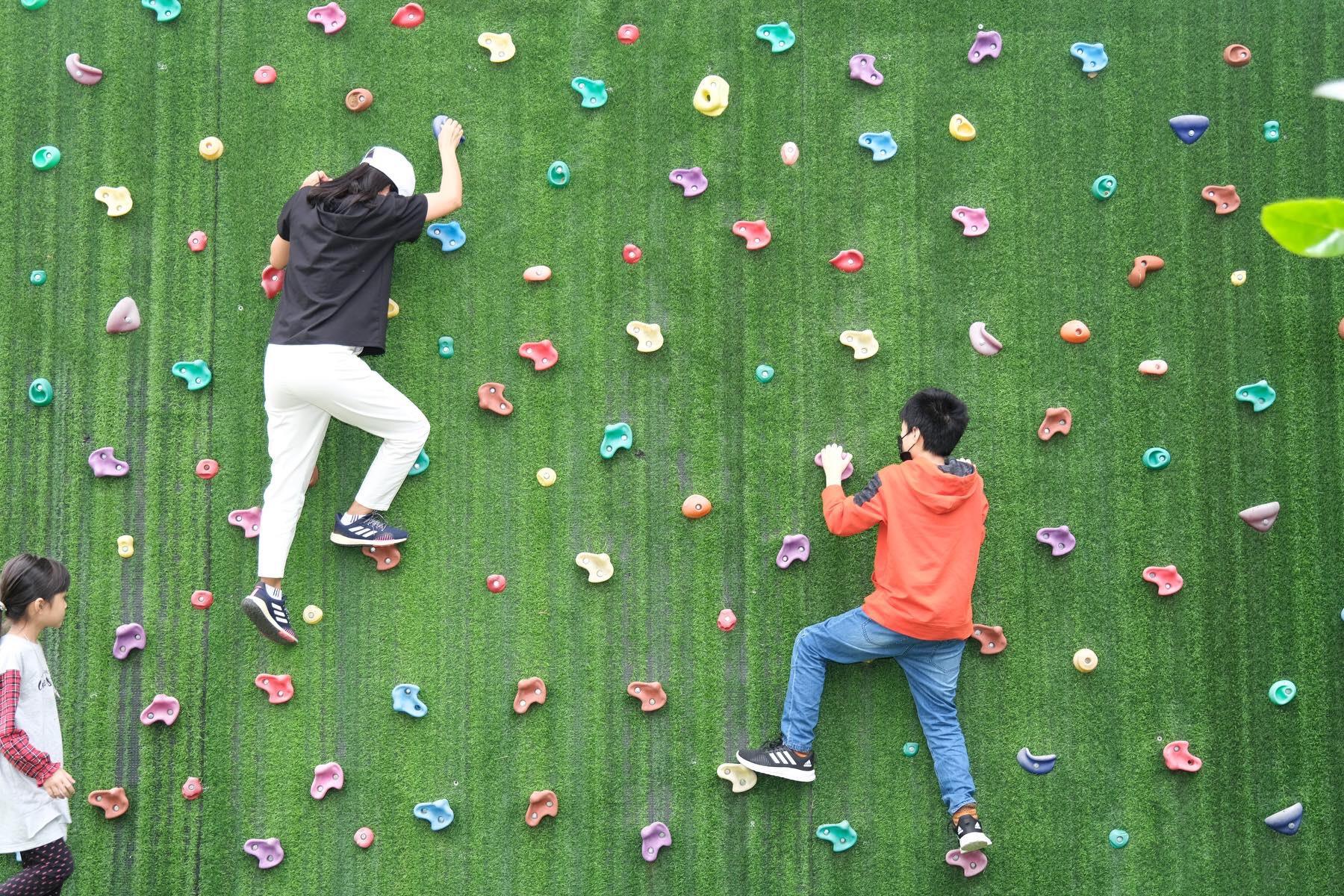
Inside the site is a small pool for kids, who can also take part in outdoor activities such as sasuke and Tarzan.

At night the camping site screens an outdoor movie.

Nature Key Retreat

Nature Key Retreat Dong Mo in Son Tay Commune offers camping packages for two days and a night with a shuttle bus, campsite, tents, equipment, fun activities such as fishing, cycling and kite flying, lunch, afternoon tea, dinner, and outdoor movies with popcorn.

They cost from VND1.29 million.

The ticket price for people coming on their own or camping for one day is VND129,000 per adult and VND90,000 per child, and they can use the swimming pool, football field, grass slide, children's playing area, and pontoon boat.

A tent costs from VND300,000 for a day. The site has a dinosaur garden and numerous outdoor sporting activities for kids.

Campers can hire boats to admire the pristine natural landscape around Dong Mo Lake.

Ham Lon Mountain

Some 50 kilometers to the north of Hanoi is Ham Lon Mountain (Pig's Tooth) in Soc Son District rising to a height of 462 meters. Sometimes called “the roof of the capital,” it has become a favored camping destination in recent years.

Some families living in the area have earned a living by renting camping equipment such as tents, barbecues, dry firewood, and food. A tent costs VND100,000-320,000 for two to 16 people for 24 hours. Tables and chairs, blankets and stoves are available from VND30,000.

6 camping destinations near Hanoi amid scenic nature

Visitors can trek up the mountain, kayak on Nui Bau Lake at its foot or simply gather with friends to set up a barbecue and escape the cacophony of the city.


Sixdoong

For people who do not want to go too far from Hanoi, Sixdoong in the Red River Rock Flower Garden at the end of Au Co Street is a good option.

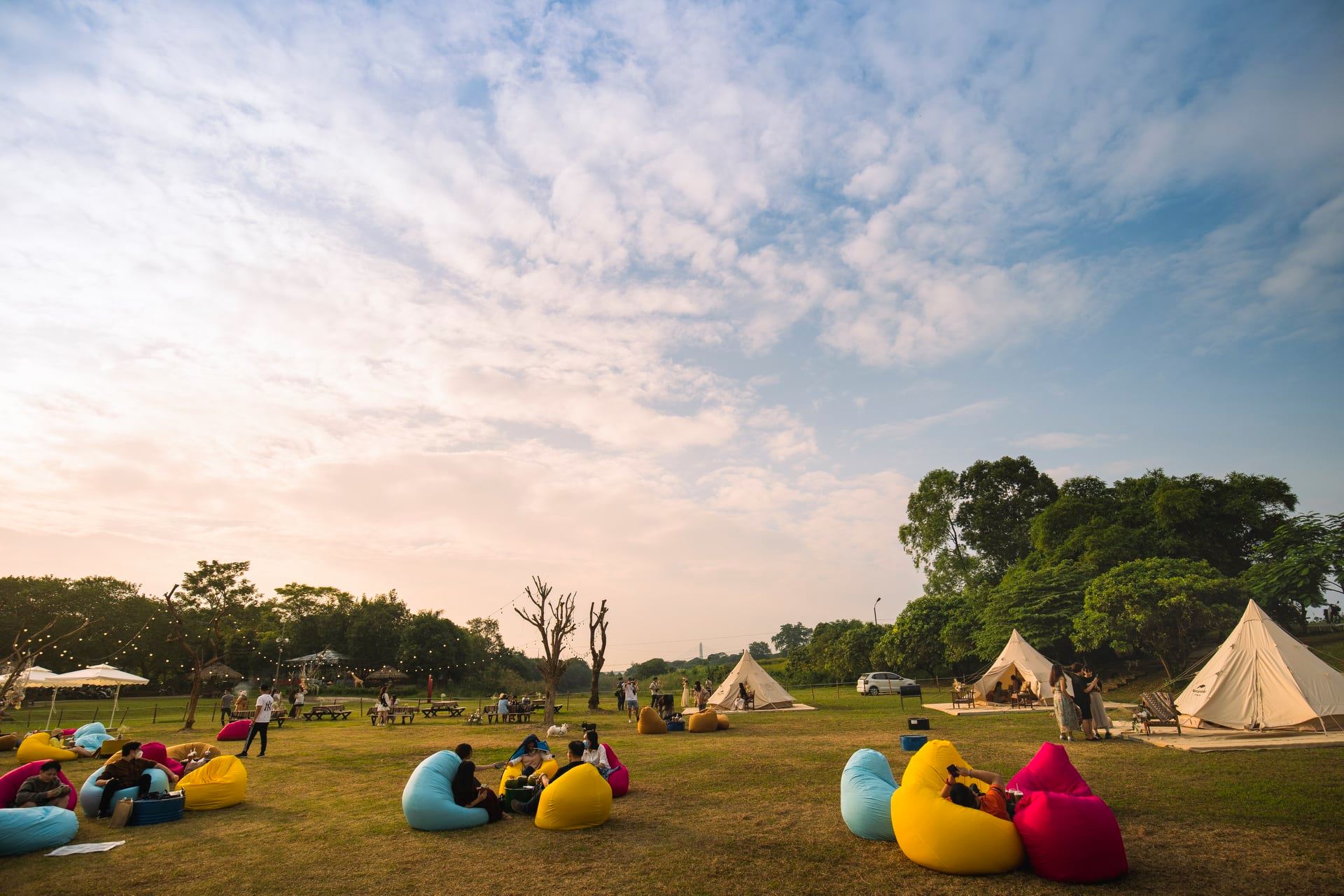
It has a large lawn and tents for visitors to drink coffee and other beverages and chat with friends amid the clean air and idyllic surroundings


You can also organize parties at this place. Tents cost VND299,000 for 10 a.m.-4 p.m. or 5 p.m.-11 p.m., and VND599,000 for the whole day.

Drinks cost VND25,000-55,000.


No quarantine needed when int'l flights resume, experts suggest

 No quarantine needed when int'l flights resume, experts suggest

Foreigners wait to check in at Da Nang Airport in central Vietnam, March 2020. Photo by VnExpress/Nguyen Dong

Experts are suggesting that the government follows countries in the region and lift mandatory quarantine rule for international passengers as the country prepares to reopen regular flights from next month.

On Thursday, Prime Minister Pham Minh Chinh had informed Japanese business leaders that Vietnam plans to reopen international flights early December, including routes to and from Japan, one of Vietnam's biggest feeder tourism markets.

If the plan is implemented, the resumption of regular international flights will take place one month earlier than a proposal by the Ministry of Transport.

The ministry had proposed that international commercial flight are resumed from January to 15 countries and territories with high Covid-19 vaccination rates, including Asian economies like Japan, South Korea, mainland China, Hong Kong, Taiwan, Thailand and Singapore.

Under its plan, fully vaccinated passengers would have to undergo a seven-day quarantine at paid facilities upon arrival.

Bui Doan Ne, general secretary of the Vietnam Aviation Business Association (VABA), said Vietnam should consider removing the quarantine rule for passengers who have been fully vaccinated in the first phase of reopening regular international flights.

"The seven-day quarantine requirement will prevent international passengers from flying as no one wants to come to Vietnam to stay for a week in a hotel," Ne said.

Vietnam has committed to accepting "vaccine passports" of many countries and territories where the pandemic situation is under control, not imposing centralized quarantine requirement on arrivals from these countries.

It is necessary to apply the same policy for passengers from key markets of aviation and tourism, he argued.

According to the Foreign Ministry, Vietnam currently accepts Covid-19 vaccine passports issued by 72 countries and territories, and is discussing the issue with 80 others. The U.S., the U.K., Japan, and Belarus have accepted Vietnam's vaccine passport.

Nguyen Huy Nga, a former head of the General Department of Preventive Medicine, said fully vaccinated passengers don’t need to undergo a seven-day quarantine on arrival.

Nga said the reopening of international flights is now an urgent issue as other countries around the world have reopened their borders and resumed commercial flights with relaxed quarantine requirements.

For example, Thailand currently exempts mandatory quarantine for foreign tourists with a vaccine passport from over 60 countries and territories, including Vietnam, and only requires them to furnish a negative Covid test result before departure. Foreign tourists arriving in Thailand only stay one night at their hotel. If their PCR tests show a negative PCR result, they can travel freely.

Singapore currently exempts mandatory quarantine for tourists from many Southeast Asian countries, including Vietnam.

Medical capacity

However, Nga also proposed that the government ensures medical infrastructure and treatment capacity when reopening international flights.

"We should be concerned if foreign passengers are found infected with Covid-19 upon arriving in Vietnam, how we would treat them and how much should be paid for treatment."

Thailand has stipulated that foreign tourists have to furnish medical or travel insurance including coverage for Covid-19 treatment worth at least $50,000 upon arrival; while Singapore requires insurance of up to $100,000.

Vo Huy Cuong, deputy head of the Civil Aviation Authority of Vietnam, said aviation authorities will closely monitor Thailand's experience in reopening aviation and tourism.

"In the future, based on practical experience, aviation authorities will propose that government exempts mandatory quarantine for those having received two doses of a Covid vaccine or having recovered from the disease," Cuong said.

Kien Giang, Khanh Hoa and Quang Nam, home to many tourist hotspots, have begun welcoming the first groups of foreign tourists under a trial vaccine passport program since last week.

Dozens of other flights are expected to bring in thousands of foreign tourists to the country by the end of this year.

Vietnam closed its doors to foreign tourists and grounded international flights in March 2020, and has since allowed entry only to Vietnamese repatriates and foreign experts, investors and highly-skilled workers.

Hue to open night street zone around royal citadel in January

 Hue to open night street zone around royal citadel in January

Ngo Mon Gate, the main entrance to the Imperial Citadel in Hue, is lit up at night, 2020. Photo by VnExpress/Dang Tuyen

Authorities in Thua Thien-Hue Province, home to tourist town Hue, plan to open a night street zone around the Imperial Citadel in January to boost its nighttime economy.

The zone would span four streets August 23, Dang Thai Than, Le Huan and Doan Thi Diem, all renovated in preparation to welcome tourists.

The night street zone is expected to give visitors a chance to watch various types of art performances, experience folk games, traditional crafts and Hue cuisine, and would be a unique highlight of Hue nightlife.

During the pilot phase, Hue authorities will launch its night-street zone on Le Huan and August 23 Street on Friday and Saturday night, Vo Le Nhat, chairman of Hue, said as cited by Voice of Vietnam newspaper.

Hue Town People's Committee also assigned relevant agencies to install lighting and renovate areas around the Imperial Citadel and coordinate with the Hue Monuments Conservation Center and Hue Royal Traditional Art Theater to arrange weekly art performances.

Hue was the seat of the Nguyen dynasty from 1802 until the end of feudal Vietnam in 1945 and the UNESCO-recognized Imperial Citadel is well-known as a popular attraction.

The town is generally known as sleepy, even somber. It has little nightlife to speak of, with the exception of a few bars and cafes.

In 2017, Hue opened night tours to the citadel to help tourists escape the summer heat.


Nha Trang seeks to turn pristine island into tourist hub

 Nha Trang seeks to turn pristine island into tourist hub

Hon Tre Island in Nha Trang Bay. Photo by VnExpress/Xuan Ngoc

Nha Trang, a popular tourist town in Vietnam's central coast, plans to turn Hon Tre Island into a tourism center, resort and entertainment complex to lure more visitors.

As part of a newly-amended master plan for Nha Trang with a vision towards 2040 for which local authorities are seeking public opinion, the island in Nha Trang Bay will have a total planning area of nearly 1,350 hectares.

The planned area would comprise 20-storey hotels and other tourism services to turn the island into an ecotourism hub of international standard.

As the largest island in Nha Trang Bay, one of the world's most beautiful, Hon Tre covers over 3,000 hectares and is home to some luxury resorts and long, sandy beaches.

The island, around three kilometers from the mainland, is home to 1,500 inhabitants who mainly live on fishing and tourism, though its population is expected to rise to 4,600 by 2025.

The island welcomes around 1.9 million tourists per year.

Nha Trang in central Vietnam is well known for its beaches and scuba diving, attracting large numbers of foreign visitors every year before the coronavirus outbreak.

In 2019, the year before the onset of Covid, the town helped Khanh Hoa Province receive over seven million tourists, half of them foreigners.

Increase domestic flights in major cities, Vietnam aviation authority proposes

 Increase domestic flights in major cities, Vietnam aviation authority proposes

Passengers wait to check in at Noi Bai Airport in Hanoi, October 2021. Photo by VnExpress/Giang Huy

The Civil Aviation Authority of Vietnam has proposed increasing flight frequency between Hanoi, HCMC and Da Nang from next month, before pre-pandemic levels are resumed early next year.

In a proposal sent Thursday to the Ministry of Transport, the CAAV said the increase would meet higher travel demand during the year-end peak season.

It has suggested that the number of daily flights between Hanoi, HCMC and Da Nang be increased to 16 from December 1-14.

Vietnam Airlines and Vietjet Air would each operate five flights a day on the Hanoi-HCMC, Hanoi-Da Nang and Da Nang-HCMC routes. Bamboo Airways, Pacific Airlines and Vietravel Airlines will operate three, two and one flight, respectively, on these routes.

In the remaining half of next month, the number of daily flights between Hanoi, HCMC and Da Nang would increase further to 20.

The CAAV also wants to increase the frequency on other routes to nine flights a day from the current maximum of four, and to normal levels from early next year.

The government has allowed airlines to resume flying on all domestic routes since October 21 at reduced frequencies.

Between Hanoi, HCMC and Da Nang domestic carriers currently operate a maximum of six flights a day either way.

A CAAV spokesperson who did not want to be named said the limited number of flights allowed until November 30 would make it difficult for airlines to prepare for the upcoming peak travel season, especially during Lunar New Year, the country’s biggest holiday.

The limited flight frequency has resulted in expensive air tickets and frustrated passengers, the spokesperson said.

Currently, passengers need to satisfy one of three conditions: a negative test at least 72 hours prior, a certificate showing they are fully vaccinated with the second shot taken between 14 days and 12 months prior or a certificate proving they recovered from Covid-19 not more than six months earlier.

But those high-risk or locked-down areas and HCMC and Can Tho need to furnish a negative coronavirus test before boarding, even if they have been fully vaccinated or have recovered from Covid-19.

Khanh Hoa welcomes first international tourists with vaccine passports

 Khanh Hoa welcomes first international tourists with vaccine passports

International tourists are welcomed at the Cam Ranh Airport in Khanh Hoa Province, November 25, 2021. Photo by VnExpress/Xuan Ngoc

The central province of Khanh Hoa welcomed its first foreign visitors after prolonged pandemic-driven closures as 43 Vietnamese Americans and Vietnamese Canadians landed at the Cam Ranh Airport Thursday afternoon.

The Vietnamese diaspora were among 293 passengers on a Bamboo Airways flight, the rest of them being repatriates.

The tourists were taken separately through immigration procedures and health screening and then to an isolated resort in the beach town of Nha Trang.

During their seven days at the resort, they will not make contact with society outside; and there will be no overlap with domestic tourism activities. They will stick to an itinerary prepared by a travel company.

A 41-year-old tourist said he was glad to be able to travel to Vietnam post-Covid-19. He also said that he enjoyed the warm welcome the tourists were accorded. Another said the nice weather comforted him and he also appreciated the disease prevention measures taken at the airport.

Nguyen Thi Le Thanh, director of the Khanh Hoa tourism department, said they have chosen appropriate facilities and trained employees so tourists could enjoy their trip while still preventing infections.

In the last quarter of 2021, Khanh Hoa aims to receive over 163,000 visitors, including 2,600 foreigners, and generate around VND476 billion ($20.9 billion) in revenue.

Besides Khanh Hoa, Quang Nam and Kien Giang’s Phu Quoc Island have also begun to receive international tourists coming via the vaccine passport program. Da Nang and Quang Ninh are also ready to receive international guests this year.